


From community learning to enterprise growth
BUNI Innovation Hub and Dar Teknohama Business Incubator have supported technology, entrepreneurship, and innovation in Tanzania since 2011. This history page preserves the context behind the programmes while the impact explorer reports operational records entered into this system.
Historical source: COSTECH, Buni Innovation Hub and Dar Teknohama Business Incubator Graduate Tracer Study and Impact Assessment, 2011–2020.Early days at BUNI and DTBi
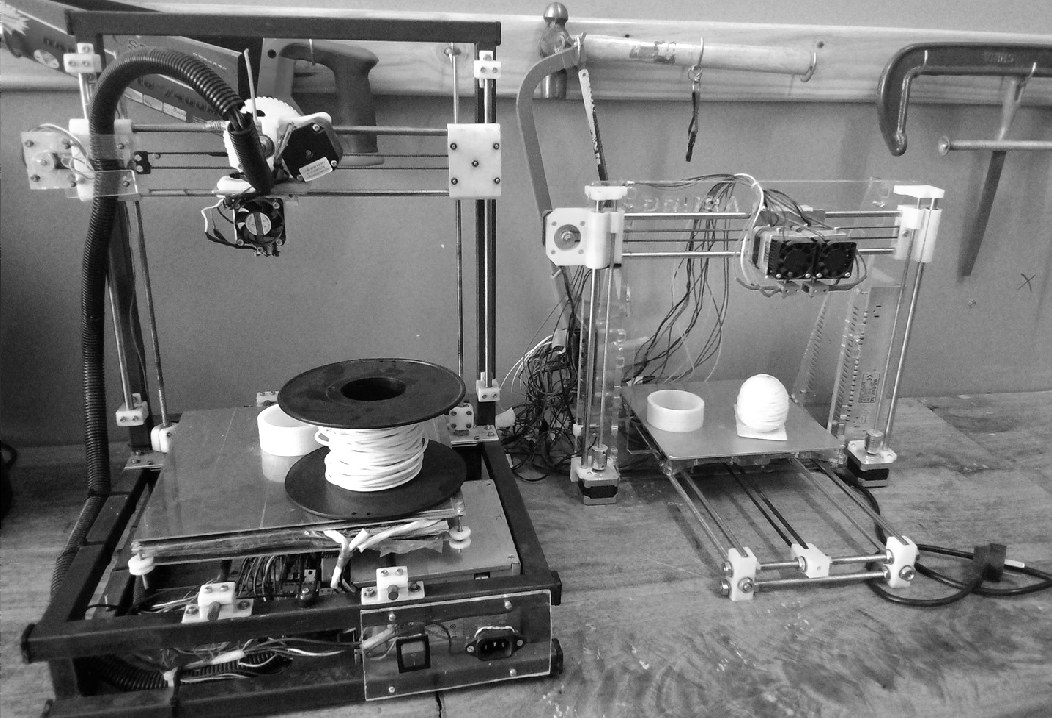
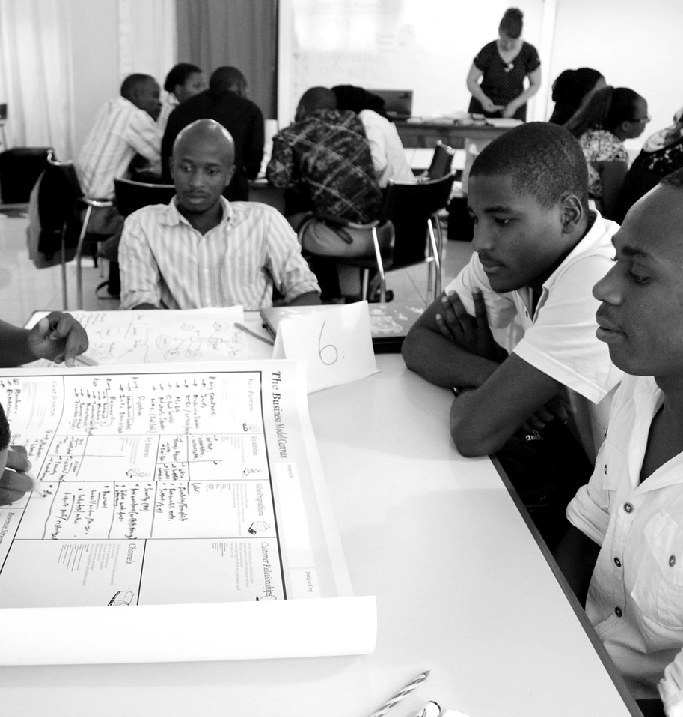
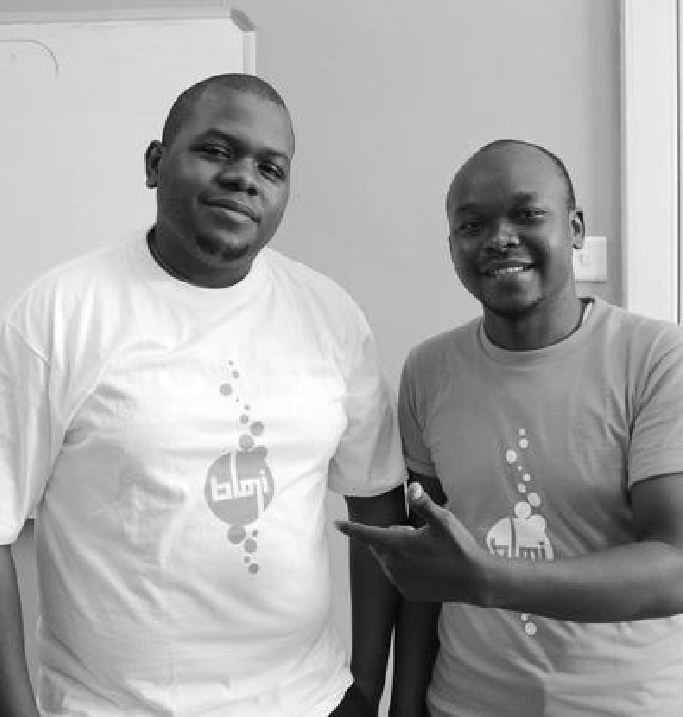
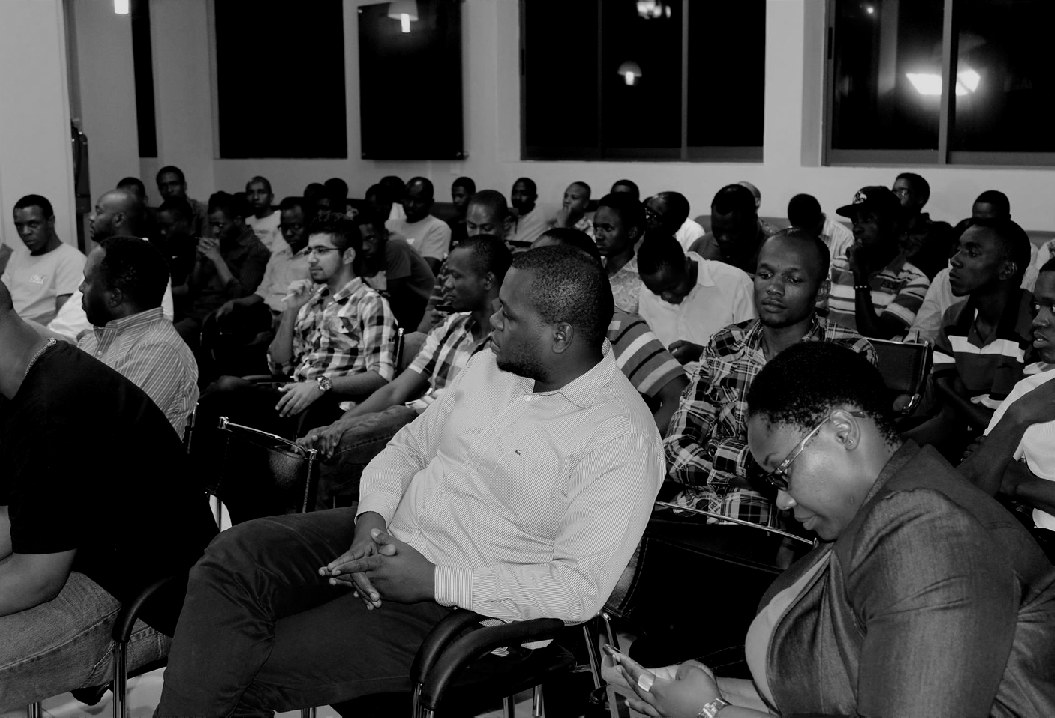
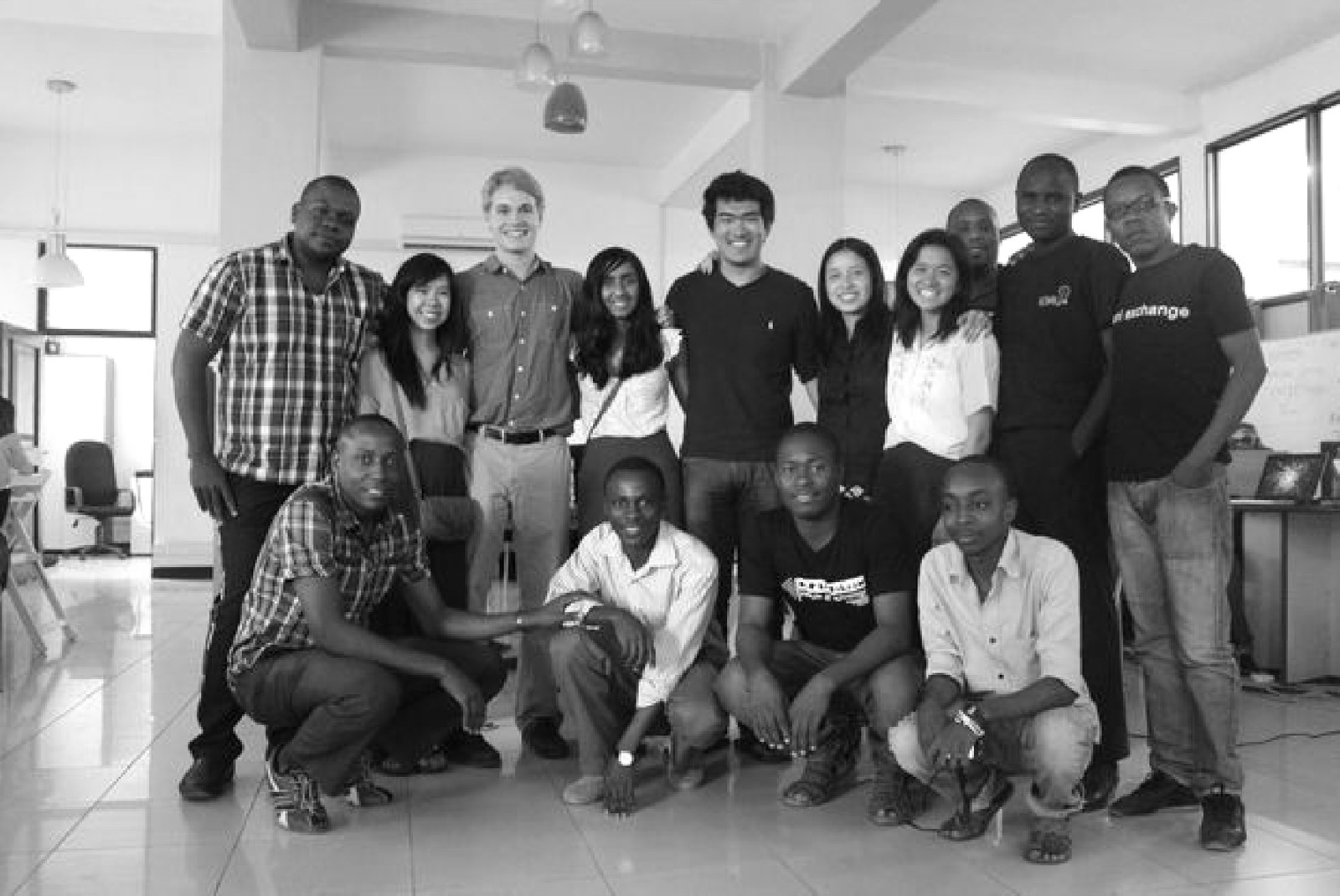
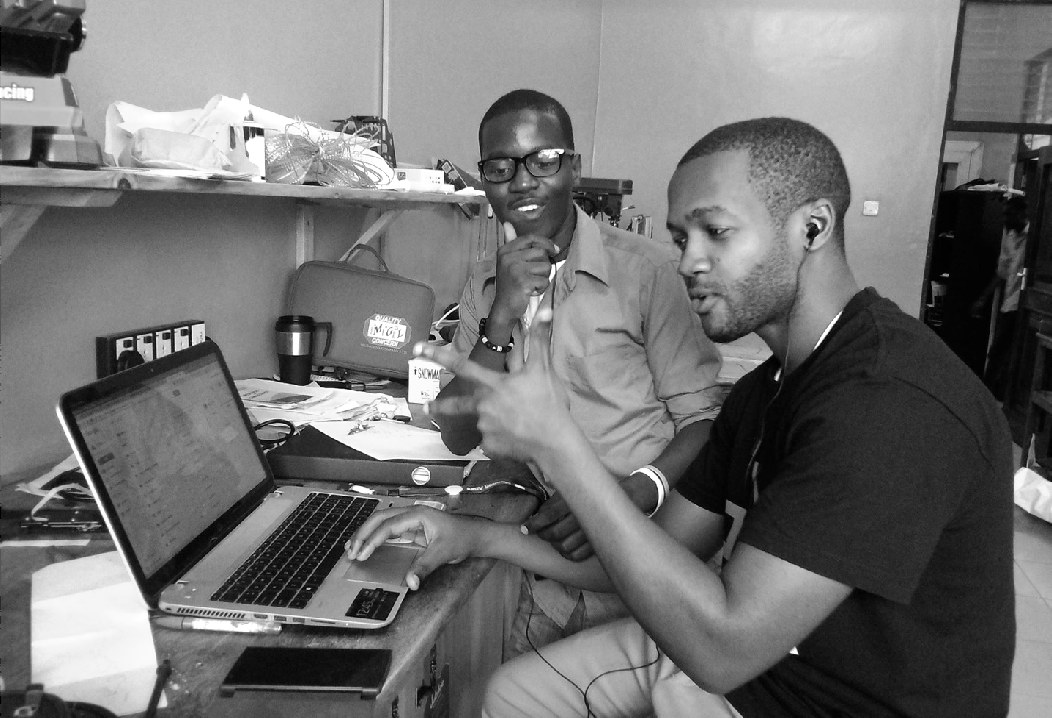
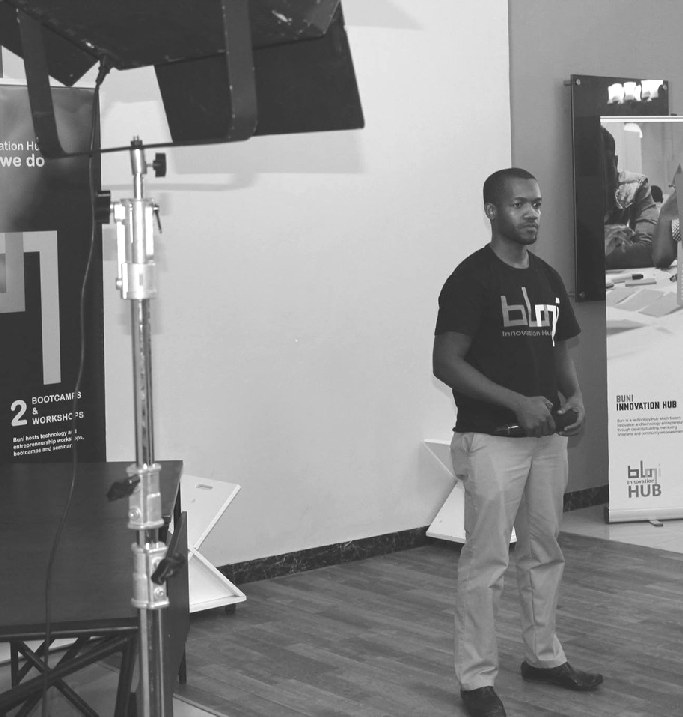
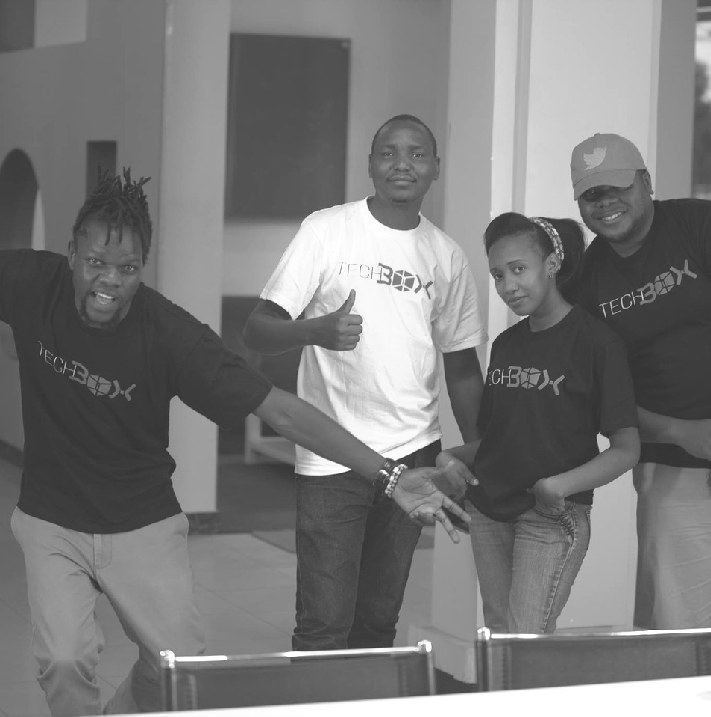
Photos reproduced from the study's Early Days section, showing people, prototyping, and community sessions at the hubs.

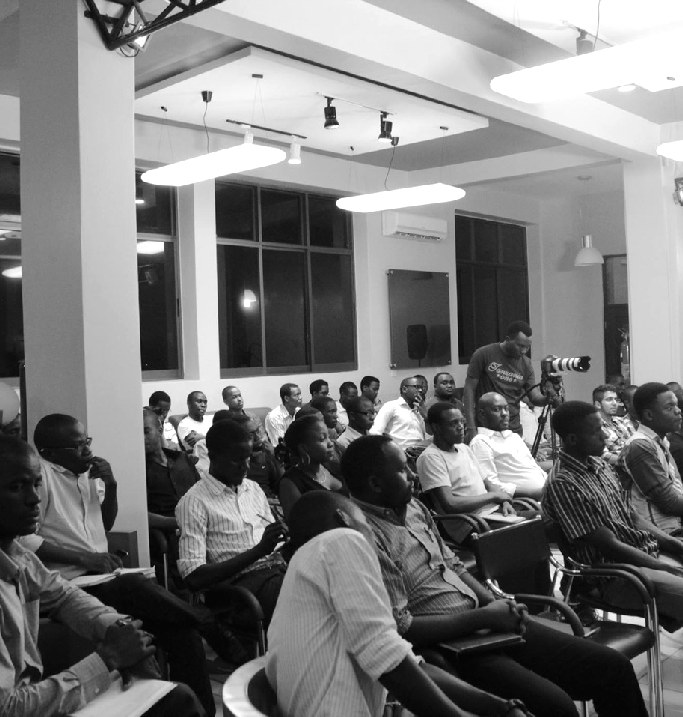
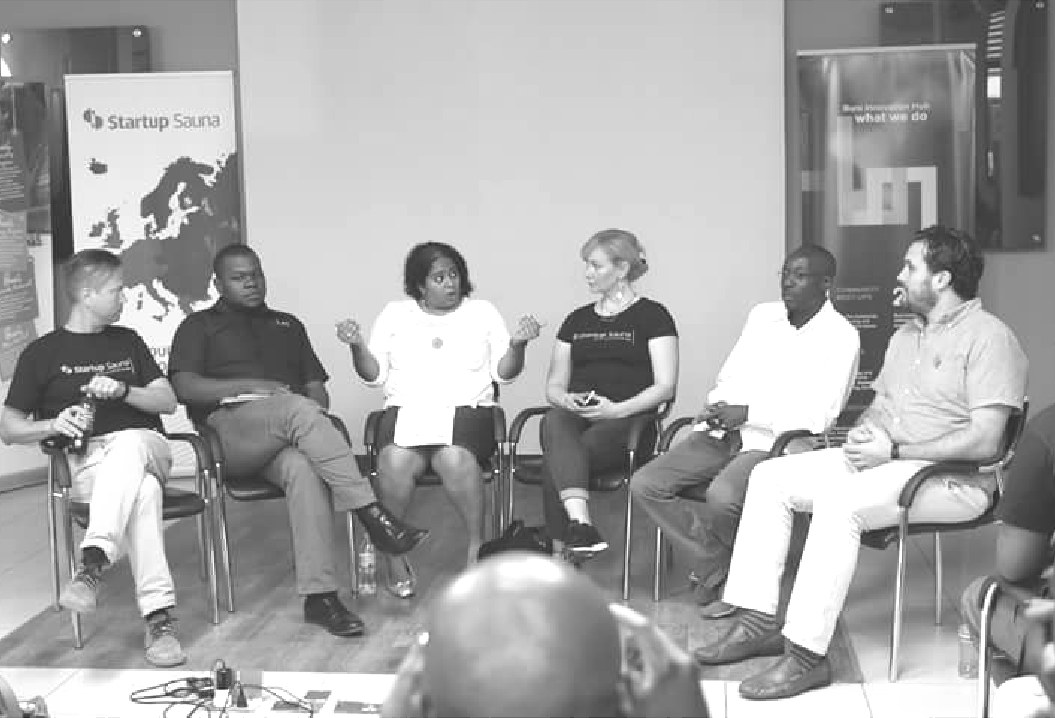
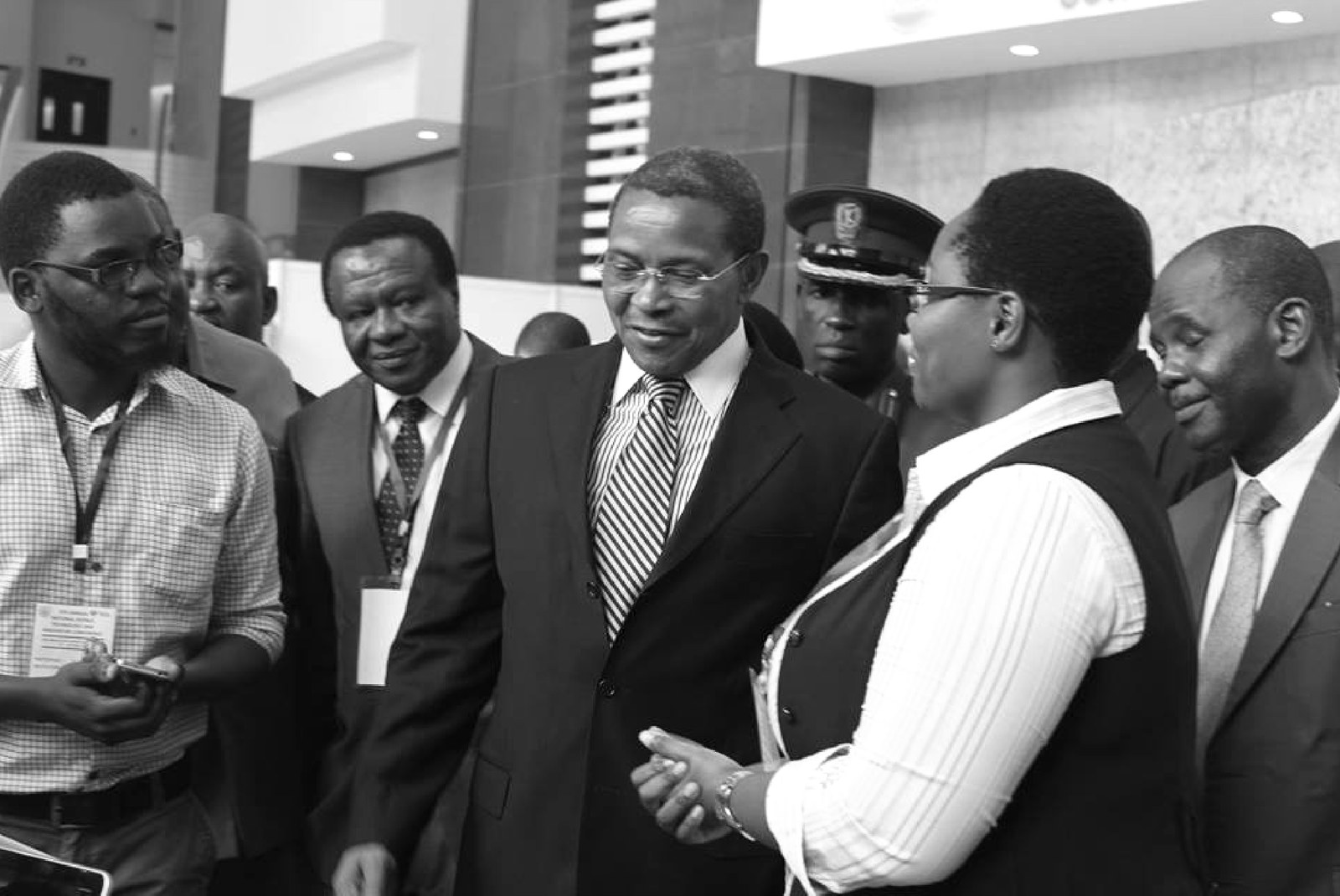
Two complementary hubs
The study describes DTBi as established by COSTECH with World Bank infoDev collaboration to nurture ICT enterprises. Buni began as the TANZICT Innovation Space under a Tanzania–Finland cooperation project.
Buni Innovation Hub
The name Buni Innovation Hub came into use as the programme focused on building local innovation capacity and connecting young people to technology entrepreneurship.
From ideas to prototypes
The study records Buni programmes spanning internships, mentoring, makerspace access, and community outreach. It describes the makerspace as a place for rapid prototyping and fabrication.
Connecting ventures and partners
Documented work includes startup incubation, skills building, access to networks, collaboration with public institutions, and support for other innovation hubs and community initiatives.
Historical estimates reported by the tracer study
2011–2020 assessmentThese are historical claims and estimates from the tracer study, not current system totals or independently verified annual figures. See the year by year impact explorer for records entered into this system.
Programme pathways described in the study
Archived examples · not open callsInternship and skills building
Team based learning and practical projects helped participants develop problem solving, collaboration, design, prototyping, and pitching skills.
Mentoring and pre-incubation
Participants with ideas and early products could develop business models and minimum viable products, then seek further incubation support.
Makerspace and prototyping
Fabrication and rapid prototyping enabled hands on exploration of hardware, 3D printing, drones, and connected devices.
Community outreach
Outreach connected universities and community networks with innovation, entrepreneurship, and technology activities.
These are historical programme examples adapted from the tracer study. They are not current application opportunities. Current calls appear on the overview page when an active opportunity is published.